

Professional Development & Training

Neurodiversity, Co-Regulation, and Family Systems
Professional Development for Educators, School Leaders, and Student Support Teams
Understanding the whole child. Strengthening educator capacity. Building more responsive school communities.
Students who are neurodivergent do not struggle in school because they lack capability. Too often, the academic, relational, and institutional systems around them are not equipped to recognize what their behavior is communicating or respond effectively to their needs.
A student who appears defiant may be overwhelmed. A student who avoids assignments may be experiencing anxiety. A high-achieving student who seems to be thriving may be masking significant emotional and cognitive demands. And a student who shuts down may have reached the limits of their capacity to cope.
At North Star Academics, we believe that when educators understand students more accurately, they can respond more effectively.
Our Neurodiversity, Co-Regulation, and Family Systems professional learning program equips educators with practical, research-informed frameworks to better understand neurodivergent learners, strengthen co-regulation practices, examine the influence of bias, and build more meaningful partnerships with families.
Rather than focusing exclusively on individual student behaviors, this program examines the interconnected systems that shape student experiences, including classroom environments, educator responses, school culture, and family dynamics.
Areas of Professional Learning

Not all students who struggle demonstrate visible signs of distress. Some become exceptionally skilled at masking their challenges through perfectionism, compliance, high achievement, or withdrawal.
Educators explore how anxiety, masking, and emotional overload manifest across different student profiles, particularly among neurodivergent students, high-achieving learners, and students whose needs may be overlooked.
Participants learn to recognize less visible signs of distress, reconsider assumptions about student behavior, and develop more individualized, compassionate responses.
Understanding Anxiety, Masking, and the Hidden Labor of Schooling
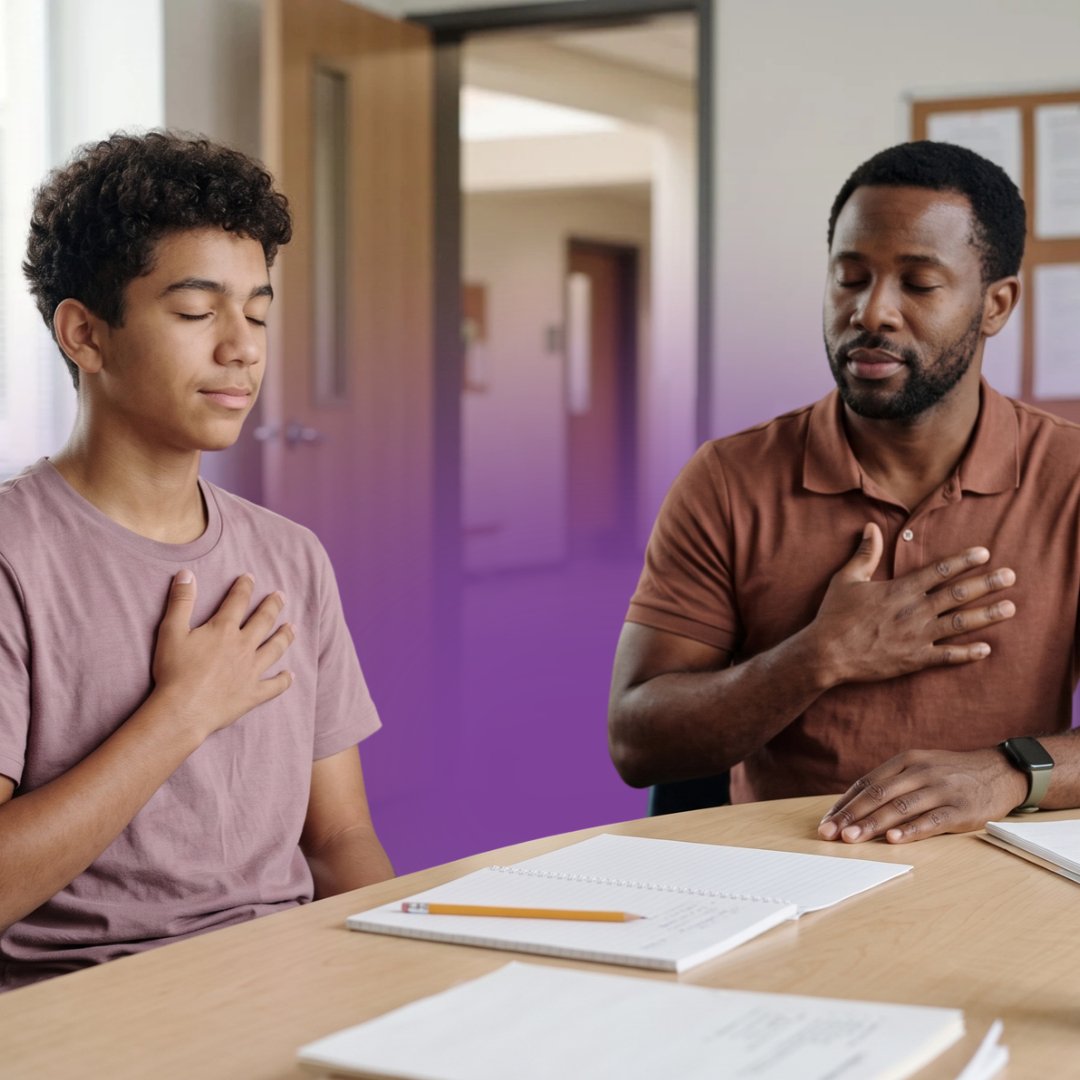
An educator's response can influence whether a challenging interaction escalates or becomes an opportunity for connection and learning.
This professional learning area examines the relationship between adult regulation and student behavior and offers practical strategies to support students experiencing emotional dysregulation, anxiety, or overwhelm.
Participants also explore how race, gender, disability, and implicit bias can influence the interpretation of student behavior and disciplinary decisions.
The emphasis is on moving beyond consequence-first approaches toward regulation-informed practices that preserve student dignity, strengthen relationships, and create pathways back to learning.
Co-Regulation, Bias, and the Adult Role in Student Regulation

Effective school-family partnerships require more than sharing academic updates or communicating concerns.
When students experience learning, behavioral, or emotional challenges, families may also be navigating uncertainty, frustration, previous negative school experiences, or competing demands.
This learning experience helps educators approach difficult family conversations with greater awareness, empathy, and confidence.
Participants develop strategies to communicate without blame, reduce defensiveness, set shared expectations, and build stronger home-school relationships.
Engaging Families Through Regulation-Informed Communication

Every student enters the classroom as part of a larger family and relational system.
Family roles, communication patterns, cultural experiences, stress, advocacy responsibilities, and relationships with educational institutions can all shape how students experience school.
Educators examine how neurodivergence affects family dynamics, including caregivers' and siblings' experiences, and how neurodivergent characteristics may appear across generations.
The goal is not to train educators as family therapists, but to strengthen their ability to understand the broader context of a student's experience and collaborate with families in ways that support learning and belonging.
Neurodiversity and Family Systems
From Professional Learning to Sustainable Practice
Meaningful professional development extends beyond a single workshop. North Star Academics emphasizes opportunities for educators to apply new knowledge, reflect on their experiences, and translate learning into sustainable practices.
Depending on a school's needs, professional learning can incorporate:
Interactive workshops and facilitated discussions
Student case studies and scenario-based learning
Classroom strategy development and implementation planning
Collaborative reflection and coaching
Family communication tools and practical resources
Follow-up consultations and implementation support
Our approach encourages educators to move from understanding concepts to practicing them consistently within their classrooms, student support teams, and school communities.

Outcomes for Educators and Schools
Through this professional learning, educators and school teams develop greater capacity to:
-
Understand how anxiety, masking, dysregulation, and cognitive overload may influence learning and behavior.
-
Respond to student distress with strategies that promote emotional safety, connection, and readiness to learn.
-
Examine how assumptions about race, gender, disability, and behavior influence educational experiences and access to support.
-
Communicate with families in ways that promote trust, shared understanding, and meaningful collaboration.
-
Examine classroom routines, disciplinary practices, and institutional expectations that may unintentionally create barriers for neurodivergent learners.
-
Build the reflective habits, shared language, and collaborative structures necessary to sustain responsive teaching over time.
Professional Learning Designed for Your School Community
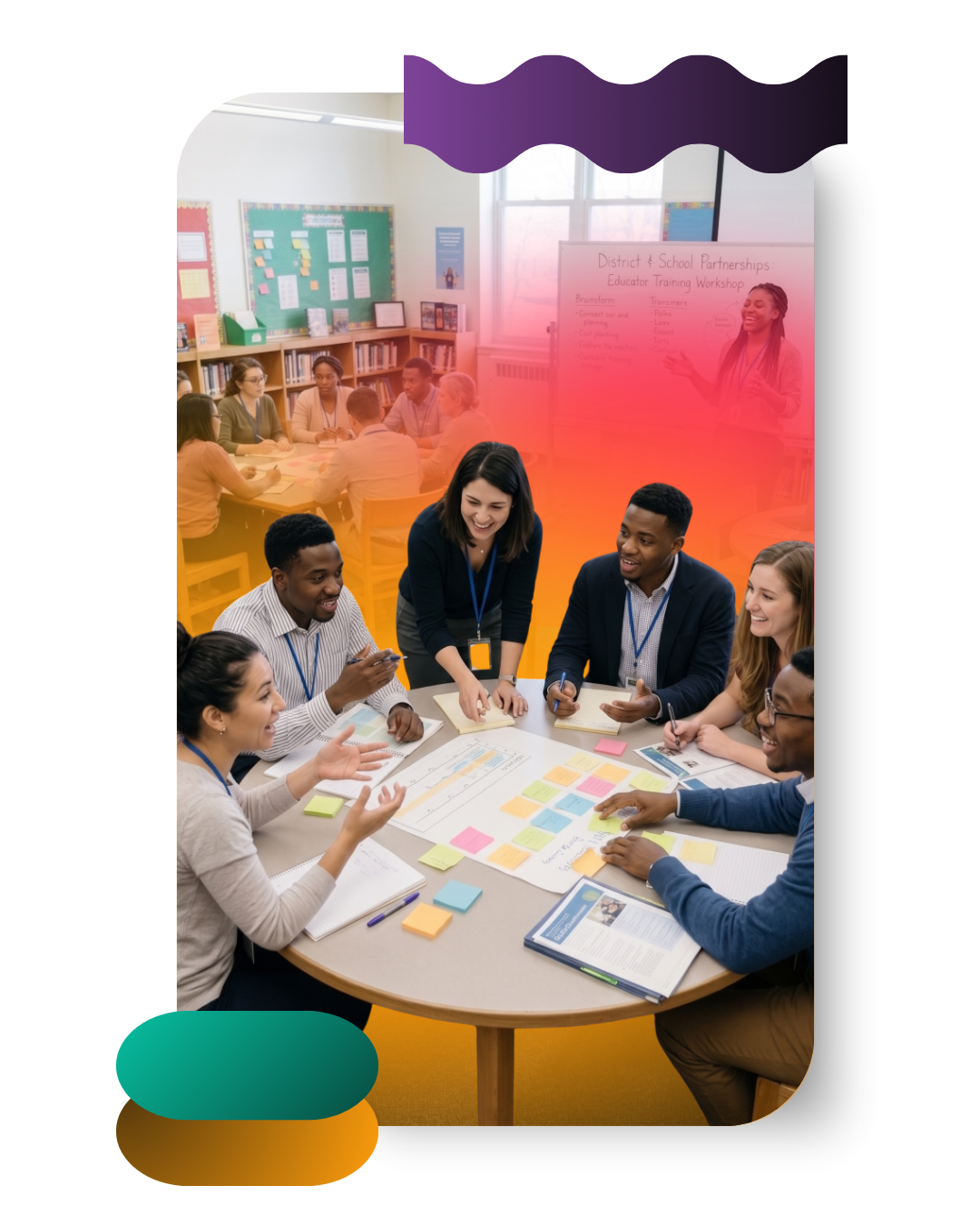
North Star Academics partners with independent schools, school districts, and educational organizations to design professional learning that reflects the needs of their educators, students, and families.
Our work is particularly relevant for classroom teachers, learning specialists, school counselors, psychologists, student support teams, division leaders, and administrators seeking to create more inclusive and responsive learning environments.
Whether delivered as a focused professional development workshop, an interactive training series, or an extended school partnership, each experience emphasizes practical application, cultural responsiveness, and a deeper understanding of the whole child.
The goal is not simply to change how educators respond to challenging behavior. It is to transform how schools understand, support, and connect with the students and families they serve.

Bring This Professional Learning to Your School
Discover how North Star Academics can help your faculty, leadership team, or student support department strengthen neurodiversity-informed practices, educator co-regulation, and meaningful family partnerships.