
Back-to-School Checklist: The Skills That Matter More Than School Supplies | July 2026
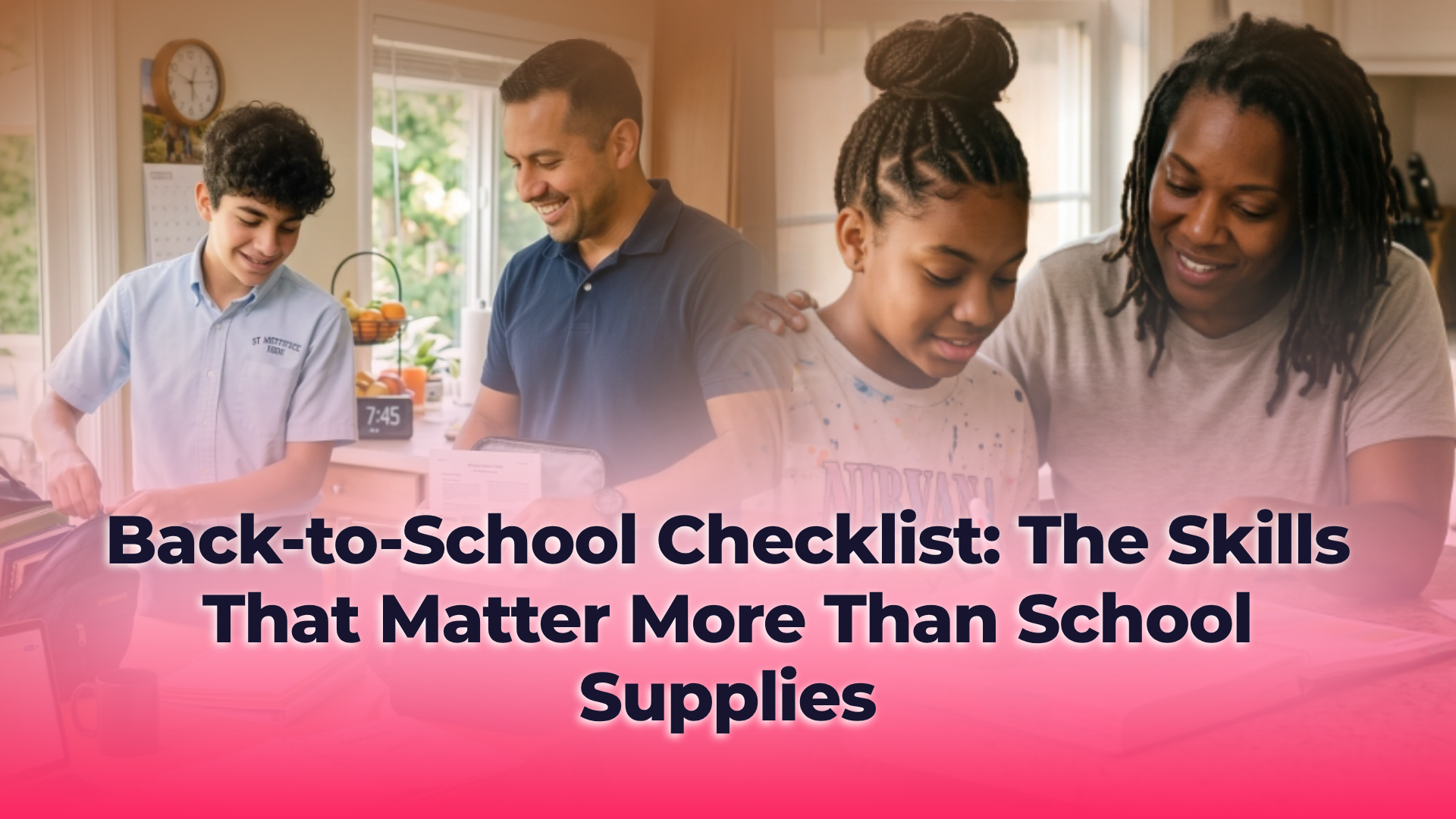
There comes a point every summer when the focus shifts from vacations to back-to-school shopping. Parents begin checking off supply lists, replacing worn-out backpacks, and getting everything ready for the first day.
But the strongest start to a new school year isn't determined by what's packed in a backpack. It's shaped by the skills students bring with them—how they plan, manage their time, stay organized, adapt to challenges, and advocate for themselves.
Those are the skills that build confidence, reduce stress, and help students thrive long after the school supplies are unpacked.
Preparing Students Beyond the First Day of School
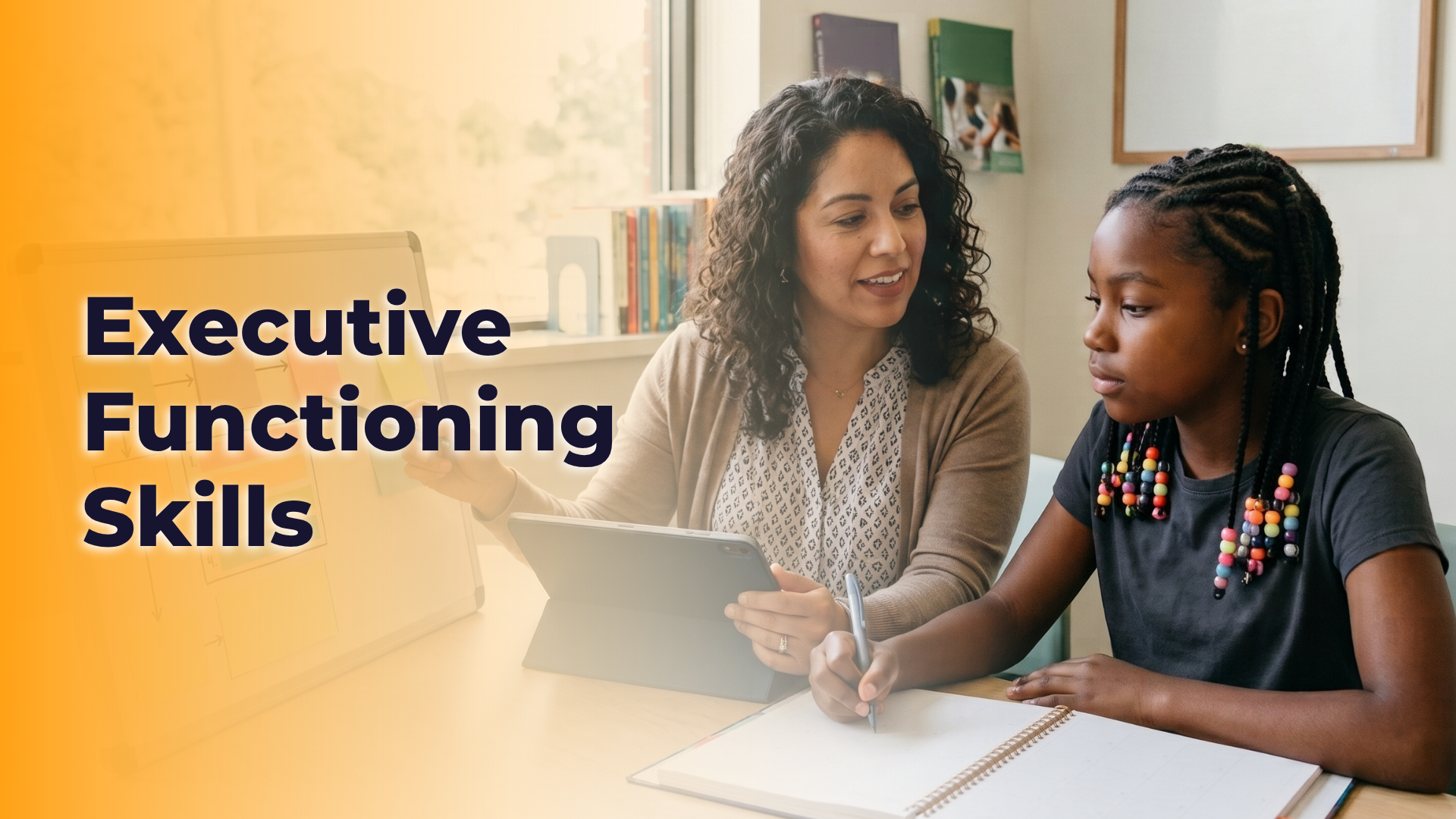
Executive Functioning Skills
These are the things that get them through the year — and the next one, and the one after that.
Building the skills behind every assignment, not just the assignment itself. Our coaching works directly on those skills: how to break down a project, how to recover after a rough start, how to ask for help before things pile up.
The goal isn't a student who tries harder. It's a student who has an actual system.
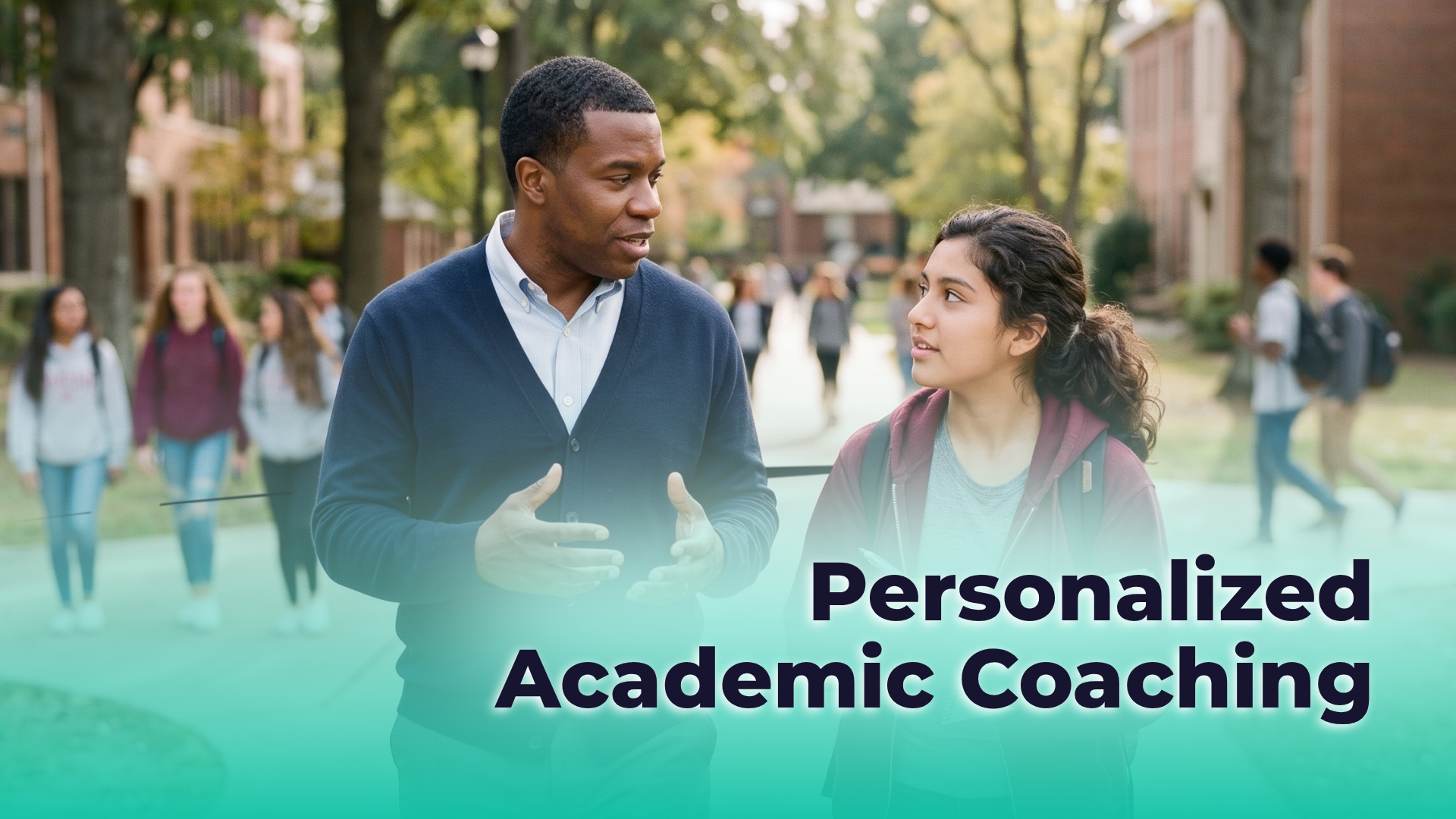
Personalized Academic Coaching
Coaching built around how your student learns — not a harder version of tutoring.
Tutoring re-teaches content. Coaching figures out how a specific student processes information, then builds from there — so a student isn't just getting the right answer this week, but building the kind of academic confidence that holds up under pressure, in any subject, with any teacher.
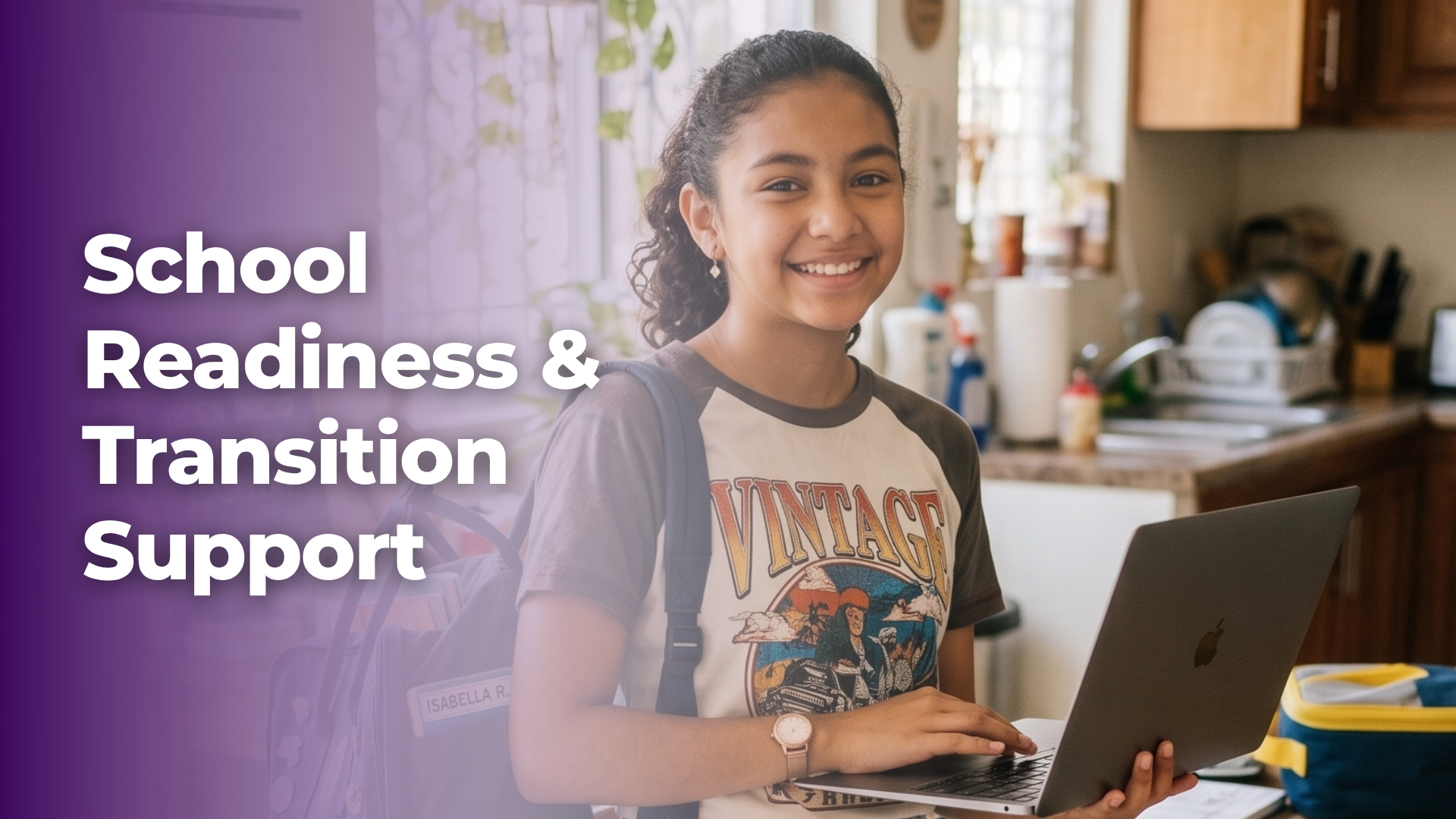
School Readiness & Transition Support
Building the skills behind every assignment, not just the assignment itself.
Our coaching works directly on those skills: how to break down a project, how to recover after a rough start, how to ask for help before things pile up. The goal isn't a student who tries harder. It's a student who has an actual system.
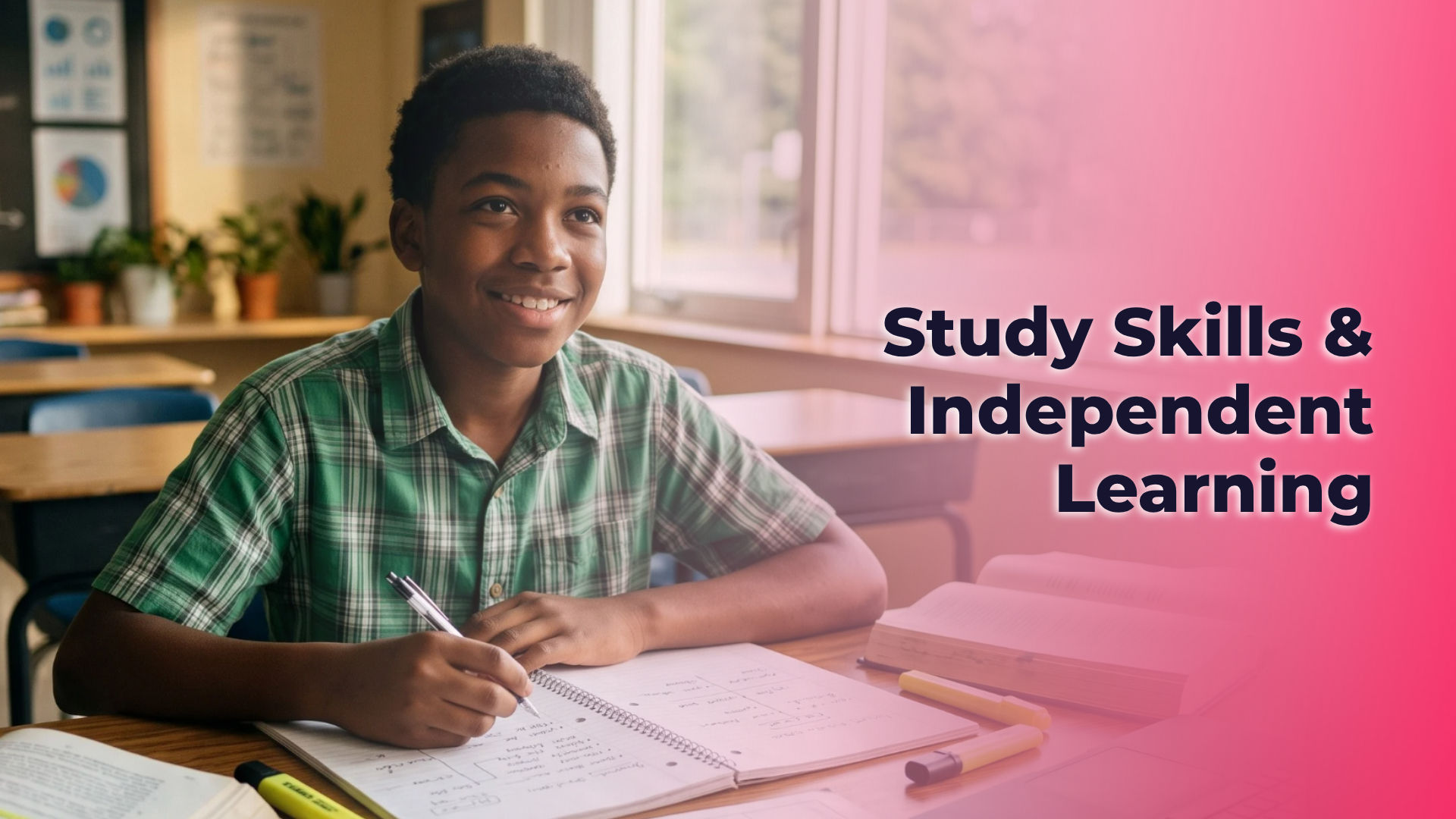
Study Skills & Independent Learning
Note-taking, project planning, and studying that doesn't fall apart under a deadline.
We teach the actual mechanics —how to take notes that are usable later, how to plan a project backward from the due date, how to study in a way that holds up across subjects. This is what independent learning looks like in practice.
Every Parent Should Use Before School Starts
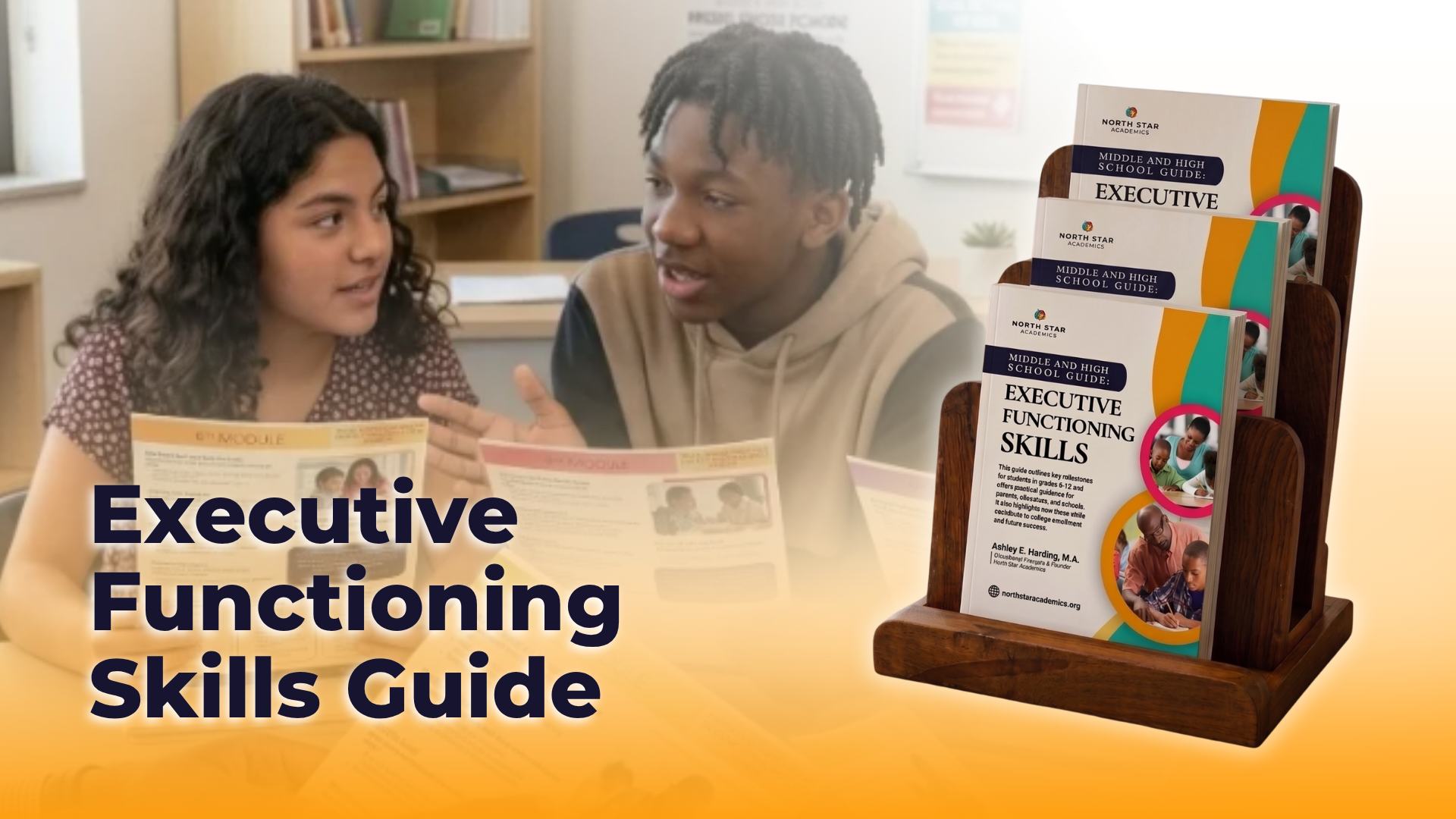
Executive Functioning Skills Guide
Read this before you buy the next planner. A planner only works if a student already knows how to plan.
This guide breaks down what executive functioning actually looks like day to day — at home, in homework, in transitions — so you understand how your child's brain organizes or struggles to organize before the school year asks more of it.
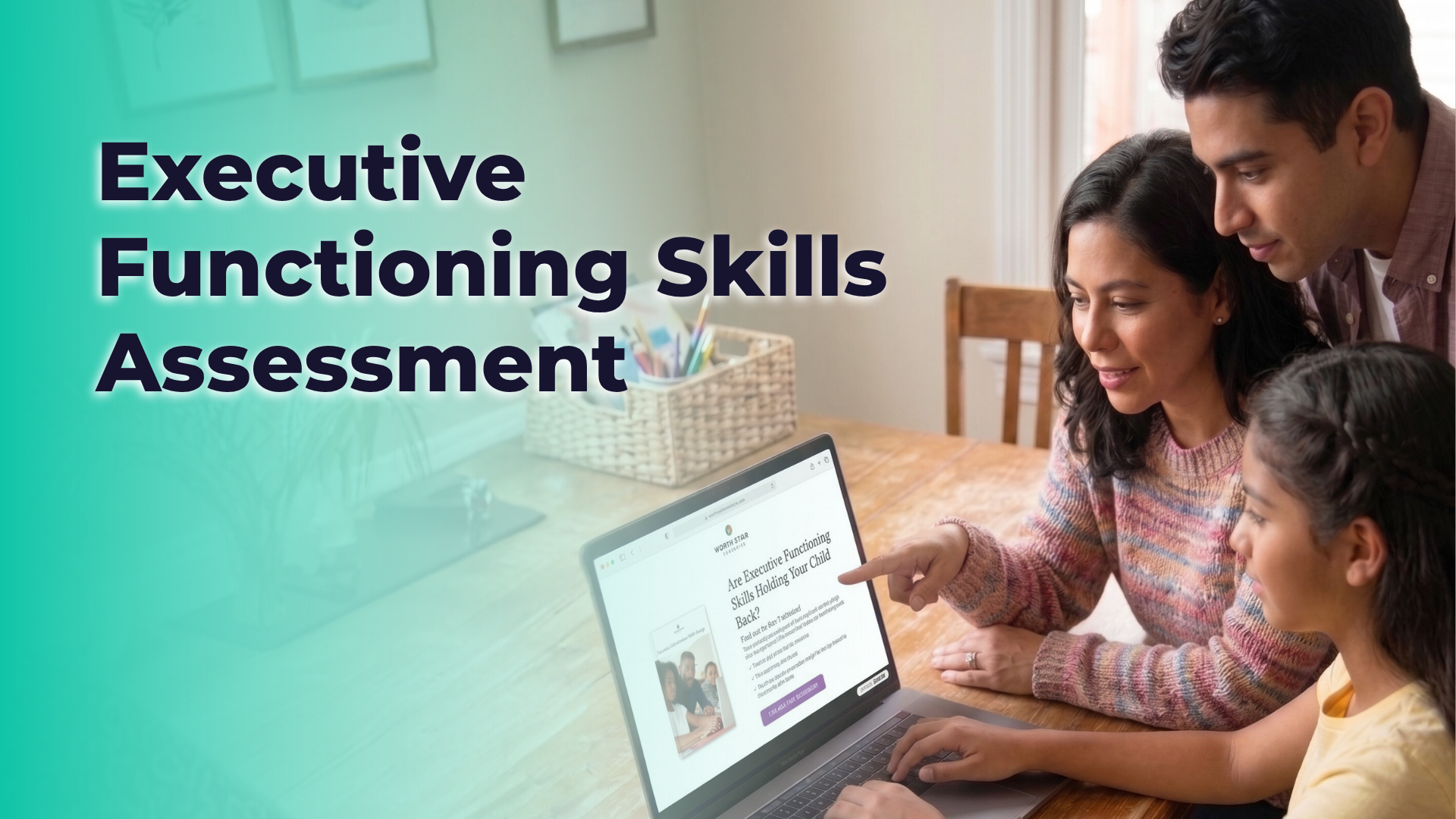
Executive Functioning Skills Assessment
Know where to focus, not just that something's off.
This assessment identifies which executive functioning skills are strong and which need support — so you have clarity on exactly where to focus before academic pressure makes it harder to tell.
Featured Partnership with CATDC
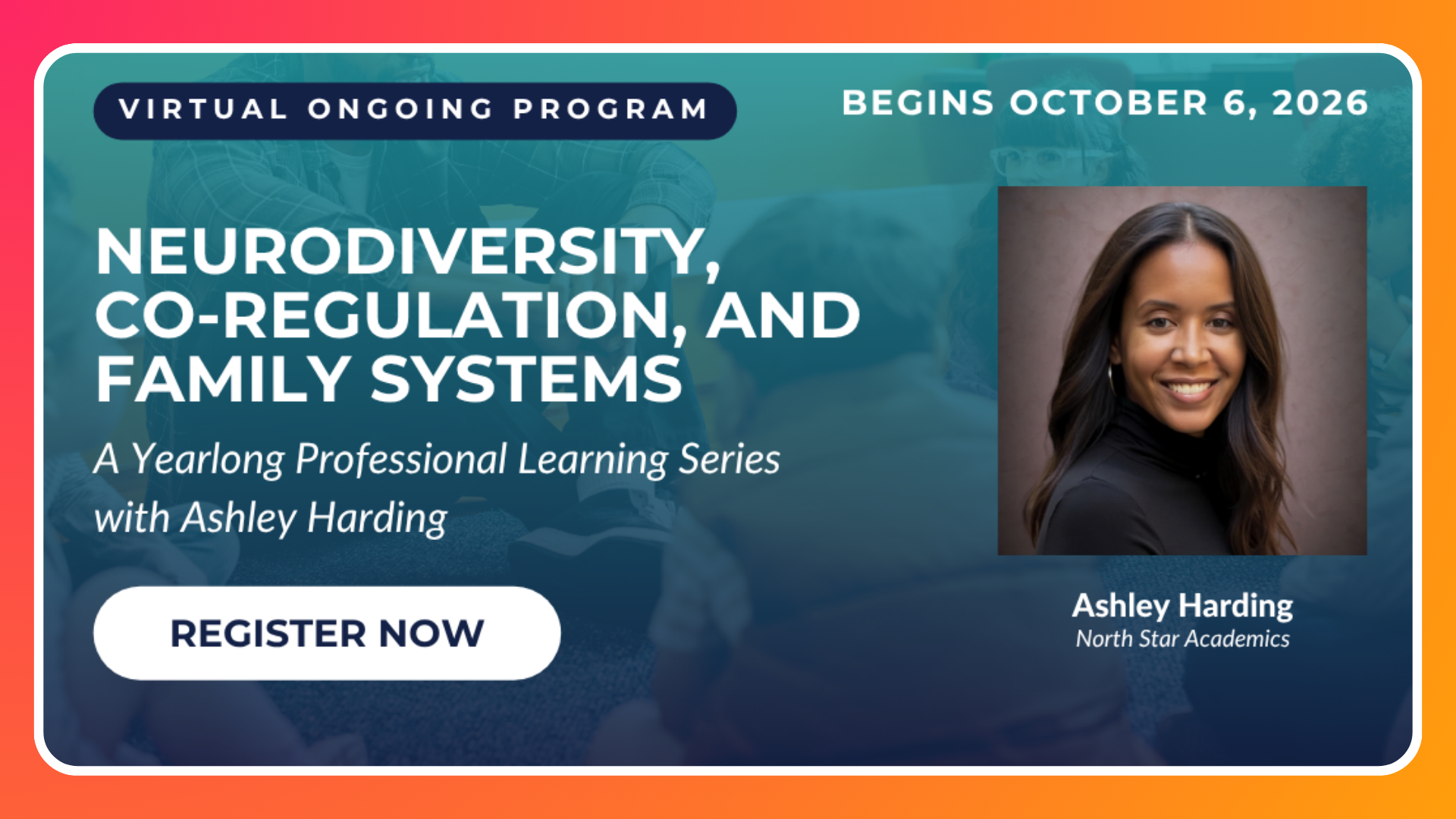
Neurodiversity, Co-Regulation, and Family Systems —A Yearlong Professional Learning Series with Ashley Harding
This yearlong learning experience reflects a shared vision between North Star Academics and CATDC: equipping the adults who support students with practical, evidence-informed strategies that foster safer, more responsive, and more inclusive learning environments.
Beginning October 6, 2026, participants will engage in live virtual learning, office hours, asynchronous coaching, and a curated implementation hub that bridges research with everyday practice. Together, educators, clinicians, and school leaders will deepen their understanding of neurodiversity, co-regulation, and family systems while building sustainable approaches that can be implemented immediately within their schools and communities.
Traveling Before School Starts? Don't Miss This
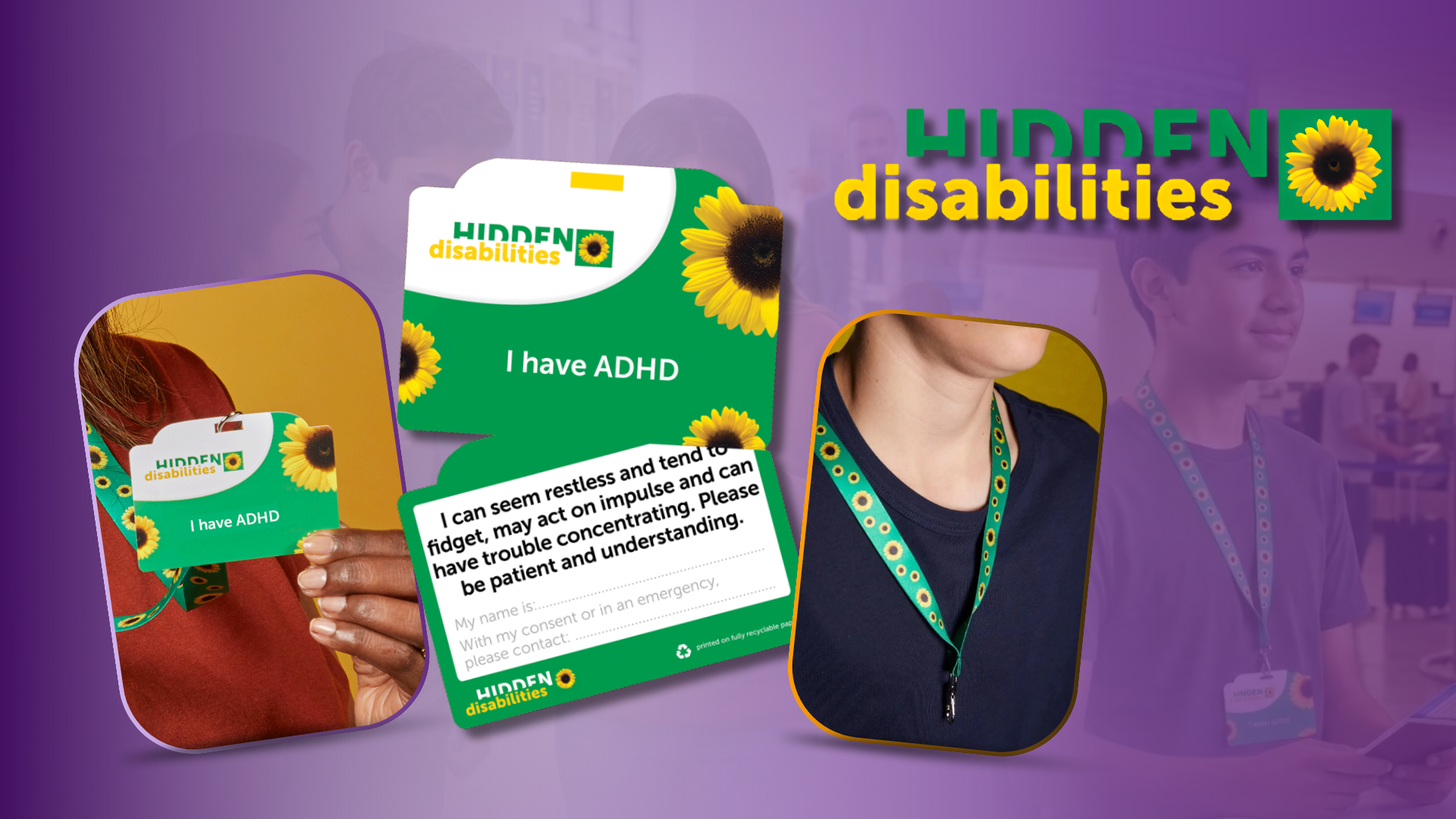
Did You Know?
Many airports around the world participate in the Hidden Disabilities Sunflower program, helping travelers with non-visible disabilities—including ADHD, autism, sensory processing differences, anxiety, and other neurological conditions—receive more understanding and support throughout their journey.
